Google Introduces a Small Business Blog!
August 31, 2010
With thanks to the O2 Ideas Room for blog posts…
We learned of another small business blog that might be of use.
Google has launched it as part of their small business series.
So we thought we’d share it with our readers!
You can visit the new blog here

Company-returns-trading-problems
May 29, 2010
ADVICE FOR COMPANIES EXPERIENCING TRADING DIFFICULTIES
Advice from CRO…
The Companies Registration Office (CRO) is aware that some companies
are currently facing trading difficulties. The legal obligation to file
an annual return and accounts still exists in such circumstances and
there are severe consequences if this is not complied with, including
late filing penalties, loss of audit exemption, involuntary strike-off
and possible prosecution. The late filing penalty and requirement to
file audited accounts are legally applicable notwithstanding a plea of
economic hardship and the CRO is not in a position to waive these sanctions
on that basis.
Likewise, the fact that a company is not currently trading or has never
traded does not remove the legal obligation to file prompt and accurate
annual returns and accounts with the CRO.
Read more
Working from Home Best Practice
May 29, 2010
With thanks to the O2 Ideas Room for blog posts…
Advantages and disadvantages of employees working at home
With increasing numbers of employees working at home – or using home as a working base for at least part of the week – it’s clear there are a number of benefits for business, such as:
- improved retention of employees, eg home working can help retain working parents with childcare responsibilities
- a wider pool of applicants from which to recruit, eg disabled people who may prefer to work from home
- possible productivity gains through staff having fewer interruptions and less commuting time
- increased staff motivation with reduced stress and sickness levels
- savings on office space and other facilities
- possible location of sales staff near clients rather than being based in your premises
However, there are a number of potential drawbacks:
- difficulty of managing home workers and monitoring performance
- possible deterioration in employees’ skills and work quality
- initial costs of training and providing suitable equipment, including adaptations to meet health and safety standards and the needs of disabled employees
- difficulty of maintaining staff development and upgrading skills
- risk of information-security problems
- increased telecommunications costs
- risk of communication problems and a sense of isolation among home workers
- can be harder to maintain team spirit
- working from home is unsuitable for certain types of job
A shift towards home working doesn’t mean employees have to work only at home. Often splitting time between home and the workplace is the most productive solution and you may want the home worker to attend meetings to keep them fully involved and informed.
How to keep on top of your office administration!
Running a small business can be a very rewarding experience, and with record numbers of startups recorded by the DTI last year, the urge to go it alone is as strong as ever. On the other hand, starting up can bring with it a number of stresses which the permanent employee is blissfully unaware of. One potential area of stress can arise when your administration has been left to the last minute, or seems out of control. Here are some tips for keeping on top of your small business administration.
1. Tidy up – Simple as that. There’s nothing worse than trying to run a business from an untidy room or office. Mess brings stress and should be sorted out as your first priority. Ensure that all work surfaces and desks are as clutter free as is possible, and if you are working from home, try to keep an area of your home dedicated purely to running your business.
2. Paperwork – Choose a filing system that suits you and organise chunks of paperwork into logical piles. An ever-growing pile of unrelated paperwork gets harder to sort out each day, and chances are, somewhere near the bottom of the pile will be a request for payment or something else which would have been dealt with already if systems were in place.
3. Accountancy – From our own experience, the one area of admin which you really must ensure gets your full attention is accounting-related. More than anything else, you should keep accurate and up-to-date records of all your income and expenditure on a spreadsheet or using accountancy software. Ensure you are never late posting of VAT returns, completing your Annual return, or submitting liability payments to Revenue. If you have a decent accountant, they should be able to help a great deal with this.
4. Email – Given that the Internet is playing a greater part in the lives of all small business people, email communication has replaced more old-fashioned forms of communication to a great degree. We’d recommend trying to respond to emails within 48 hours. Sometimes this isn’t always possible of course, but potential clients don’t like having to wait for a reply. We aim to answer all emails before lunch each day. This means we can concentrate on other areas of the business without worrying about getting back to a potential advertiser who may well have emailed several other sites at the same time and will look more favorably on those who replied in the timeliest manner.
5. Systems – Everyone will have a different way of organising their time and tasks. Find out what areas of administration cause you stress and create a system to get around the problem. For example, if you receive a high volume of email enquiries of a similar nature, simply create a template response and copy and paste the reply. If you can’t find the self-assessment form you should have completed by now, chances are it’s buried somewhere in a pile of household bills, takeaway menus and marketing proposals!
Whatever works for you is the best solution. From my own experience, when I’m organised I get twice as much work done, which is better for my own feeling of satisfaction, and better for business.
Manage Employees Who Work From Home
New technology makes teleworking increasingly viable for many small businesses. Employees who work from home are often less stressed, more productive and more motivated. But you need to manage them carefully
Have you considered allowing some of your staff to work from home? Many employers are discovering how teleworking can benefit their businesses and meet employees’ demands for more flexible working practices
The advantages are clear. Offering greater flexibility will help you to attract and retain the right people in an increasingly competitive job market. Well-managed teleworkers are likely to be less stressed and more motivated, which could mean an increase in productivity and a fall in sick leave. And you will also free up expensive office space.
But teleworking can be lonely and demotivating. Is your staff cut out for it? Teleworkers need drive and initiative, good time management and IT skills, and the ability to separate their working and personal lives effectively. And remember that working from home is particularly suited to certain types of job – including writing, editing and research, sales and marketing, customer service and computer programming.
If you decide to introduce teleworking, plan how it will work in advance. You may need to prepare a modified contract of employment. Provide any IT or time management training required. Always maintain close contact with teleworkers. Phone regularly to check on progress and provide encouragement. You might want to write a short agenda to help you keep to the point. Face-to-face meetings are also a good idea, particularly as part of an appraisal process.
Agree on how you are going to monitor performance. This will depend on the ability and seniority of the people involved. You could ask for timesheets to record the time spent on tasks – but it may be better to request weekly reports on the progress of specific projects, allowing you to focus on output rather than hours worked.
Harnessing IT to Your Advantage
Advancements in technology in the past five years have made working from home a much easier option for those who work for themselves as well employees. Many of these solutions are free, meaning that there is even more reason for you to harness such offerings and claw back your work:life balance.
- Remote computer Access – This is an amazing piece of software, you no longer need to take your laptop with you on business. Just sign up and it’s as if you are working from your home office www.gotomypc.com
- Alterative telephone Voice over IP (VoIP) – free calls to any Skype user, with the option to buy a Skype phone number and make extremely cheap worldwide calls www.skype.com
- Teleconferencing via webcams – www.skype.com or Microsoft Instant Messenger and most other ISP email provider
- Virtual Secretarial Services – Busy Lizzie (of course) www.busylizzie.ie
- Website based Text Messages – most mobile providers will provide you with a certain amount of free texts/month to send via their websites.
- You Tube – a great resource to upload informative videos about you and your business for free.
- All in one mobile – look at a PDA, 02 do a great range called the XDA. There is the blackberry option also, in the past they have not been as multifunctional as the existing PDAs, but this has changed with their new product line.
About Busy Lizzie
Busy Lizzie has been providing social and corporate assistance throughout Ireland, America, UK and mainland Europe since 2004.
With offices in Galway, Dublin, Wicklow, Limerick and Cork, their team provides unparalleled outsourcing packages to SMEs such as web and print design, secretarial support, emarketing, book keeping, office decluttering, project and event management.
Awards and Accolades
BPW Innovative Business Woman of the Year 2005
Finalist in Midlands and West of Ireland Regional LiveWIRE Young Entrepreneur of the Year Award 2005
Finalist in JCI Galway Entrepreneur Award 2006
Listed in Top 40 Irish Female Entrepreneurs: Image Business 2006
Double Finalist Network Galway Business Women of the Year Award 2006
Listed in Top 100 Women in Business by Entrepreneur Magazine 2006 & 2007
Finalist in The Image Magazine Young Businesswoman of the Year 2008
Contact Details
Web: www.busylizzie.ie
Email: info@busylizzie.ie
Phone: 091 865 353
Skype: busylizzielifestylemanagement
manage your businesses cash flow
May 7, 2010
With thanks to the O2 Ideas Room for blog posts…
Cash flow is the lifeblood of any business and these days is even more important than ever.
Below are a number of simple approaches to use when operating your business. Read more
Duct Tape Marketing – Lessons from America
April 13, 2010
With thanks to the O2 Ideas Room for blog posts…
What does Duct Tape Marketing mean and what is its relevance to me? This short article is designed to introduce the concept of Duct Tape Marketing and to give some practical advice based on the idea.
What is Duct Tape Marketing?
Duct Tape Marketing is the name of the best-selling small-business-marketing guide from John Jantsch. Read more
Bootstrapping your way to success
February 16, 2010
With thanks to the O2 Ideas Room for blog posts…
Economic downturns tend to be self fulfilling. We all help to drive market conditions, so if we all decide to ‘batten down the hatches’, and become more risk averse we all contribute to prolonging a downturn. However though it may sound counter intuitive, an economic downturn is as good a time as any to start a new business. This short article discusses how entrepreneurs can bootstrap their way to success, by describing what it means in practice and suggesting some benefits to bootstrapping. Read more
How to write an effective Marketing Plan.
February 9, 2010
With thanks to the O2 Ideas Room for blog posts…
A marketing plan is a core component of a business plan. It relates specifically to the marketing of a particular product or service and it describes: Read more
Discovering Hidden Value
February 7, 2010
With thanks to the O2 Ideas Room for blog posts…
“What we must decide is perhaps how we are valuable, rather than how valuable we are.” (Edgar Z Friedenberg)
It may take a moment to digest the full wisdom of this brilliant distinction.
However, for businesses in the future, it’s not going to be a case of what is the cost; but more about the value we bring.
Do you ever find that your customers (or employers) are reluctant to talk about the value you bring? Or would bring… if only they gave you the assignment or the job?
This reluctance is often very real. At other times, however, it is also a reflection of our own reluctance to probe, and thus discover how exactly we are valuable. Who knows what enormous gems lie undiscovered beneath this reluctance?
If we are serious about harnessing the untapped power of undiscovered value, we must equally be honest about the resistance we encounter. We have a natural distaste for those who constantly seek reassurance that they are of value. Those who constantly ask for feedback on their performance may well betray an underlying self-obsession that at best we indulge, at worst we resent.
They are making the mistake of pursuing the question of “how valuable they are“. Let’s be honest, most of us are tired of “rate our performance” questions.
By contrast, take a look at these questions, assembled to discover how we might be of value, rather than how valuable we are:
1. (at the start of an interview) “What was it about my CV that prompted you to meet with me?”
2. (meeting a new client for the first time) “Of these four subjects, which would be most valuable for you to explore today?”
3. (at the end of any meeting) “What are you taking from this discussion?”
4. (in a project review) “Of all the areas we have worked on – brief recap – which for you had the most value?”
5. (personally / socially) “What have you most enjoyed about this evening?”
Questions like these uncover how exactly we are of value, rather than how valuable we are. Value is the ideal basis of effective negotiation, genuine customer-service development, fruitful employee appraisal and lasting business development.
Paul Davis
Davis Business Consultants
paul@davisbusinessconsultants.com
A Simple Plan for 2010
February 7, 2010
With thanks to the O2 Ideas Room for blog posts…
It’s not big. It’s not sexy. But simple is however a little bit clever when it comes to Marketing Communications.
Many People are coming to the conclusion that a lot of the marketing communications that were created towards the end of the Tiger were relatively flabby and lazy. Not sure what to say? Say loads of things! No idea what is the one real consumer benefit that will unlock sales? Well cram in loads of benefits. Sure what did it matter. People were buying everything anyway. This led to a lot of very bloated, confusing and wasteful communications and a very confused consumer.
People forgot about the primacy and the discipline of a simple idea that arrives from a well-derived insight.
We all have to work really, really hard this year for our sales. They will need to really clearly see and understand the benefit of a product or service (whether functional or emotional) before they even begin to think about handing over their precious metal. Brands can’t afford to be lazy and ’say everything’. From now on success will be saying one thing, the right thing, brilliantly. That is the best way to be value conscious.
I think the companies that have or will embrace this common sense approach will see the benefits of communicating one creative idea cross media. Unfortunately many agencies still come up with an execution, be it a 48 sheet, online display or TV advert, first and then try and make it fit every other medium. This doesn’t work and will waste money. However executing a single creative ideas across all of your marketing channels allows each channel to do what they do best for your brand thereby maximising a brands return on investment.
Digital, with all of its unique advantages, will continue to flourish (as it should) though there are some brands commissioning digital projects based on the great insight of ‘if everyone else is doing it we should be too’. Again let simplicity and sense be your guiding principles. Set out clear objectives and deliverables. Not every brand should be on Facebook. It’s not a viral just because you put it on YouTube. Ask yourself at every stage ‘is this activity enhancing or benefiting my consumer?’.
In summary say less, but say the right thing, better.
Pat Stephenson
Managing Partner
www.boysandgirls.ie
Writing press releases for online use
February 2, 2010
With thanks to the O2 Ideas Room for blog posts…
To increase the chance of having a story published, make the editors’, freelancers’, reporters’ or journalists’ job easier by presenting the release in a format and style that appeals to them.
Considerations before writing the press release
1. Why the release is being written: to broadcast information, increase business, update target audiences?
2. Who is the audience?
3. Does the press release contain invaluable or newsworthy information that will be used by the target audience?
4. Is there a just cause for release the information that you wish to broadcast?
5. What do you want recipients to take away from the press release?
Overall tone and structure of the press release
1. Content – ensure that the release is grammatically correct and doesn’t contain any spelling mistakes, errors, and sources are quoted correctly.
2. Concise – keep it punchy and don’t use unnecessary flowery language e.g. cutting- edge, revolutionary.
3. Factual – present the information for distribute that is true, correct and doesn’t embellish anything that to be communicated.
4. Objectivity – virtually impossible to do, but refrain from using over hyped quotes from sources as they will be presented as being too biased.
5. Timing – The press release may not be topical, but it may be able to incorporate the release with a more recent news event.
Tara Dalrymple
Director
www.busylizzie.ie

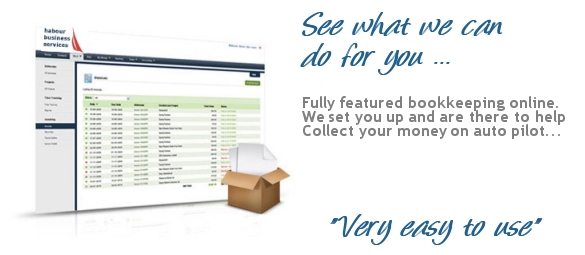
Invoicing software