
Debunking common casino myths What you need to know
Understanding the House Edge
One of the most common myths surrounding casinos is that players can overcome the house edge through strategies or systems. The house edge is a mathematical advantage that casinos maintain over the long run, ensuring they remain profitable. While players may experience short-term wins, the house edge guarantees that, over time, the casino will profit from every game played. No betting system can change this fundamental principle of gambling; in fact, some people even rely on football bookmakers to guide their choices.
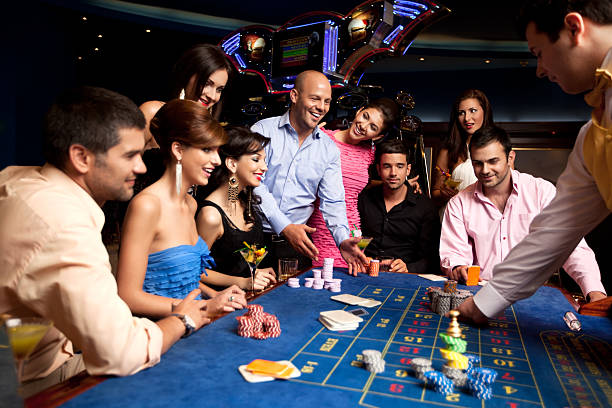
Many gamblers often believe that certain strategies, like betting progression systems, can defy the odds. However, these systems are rooted in misconceptions about probability. Even with a perfect strategy, the house edge will always prevail. For instance, in games like blackjack or roulette, the odds are stacked in the casino’s favor, and no strategy can alter the outcome of each individual game.
Additionally, understanding the house edge helps players make informed decisions about which games to choose. Games like poker or blackjack may offer lower house edges compared to slot machines. Thus, educating oneself about the odds can enhance the gaming experience and create a more strategic approach to gambling.
Winning Streaks and Losing Streaks
Another prevalent myth is the belief that past outcomes influence future results in casino games, often referred to as the “gambler’s fallacy.” For example, players may think that after a series of losses, a win is more likely to occur in games like roulette or slot machines. This misconception stems from a misunderstanding of independent events in probability. Each spin or deal is a separate event, unaffected by previous results.
The reality is that each game operates independently, meaning that the probability remains constant regardless of past outcomes. For instance, in a fair coin toss, the odds of heads or tails remain 50/50 regardless of how many times it has landed on heads previously. This is critical for players to understand, as it can prevent them from chasing losses or making poor betting decisions based on flawed logic.
Moreover, emotional responses to winning or losing streaks can significantly impact a player’s behavior at the casino. Many people become more reckless after a win, believing they are “on a roll,” while others may become overly cautious after a series of losses. Recognizing these patterns can help players manage their bankroll and maintain a more disciplined approach to gambling.
The Illusion of Control
Many players enter casinos under the illusion that they can control outcomes through their actions, especially in skill-based games. This belief can lead to overconfidence and poor decision-making. While games like poker and blackjack involve a degree of skill, the random element inherent in many casino games means that players cannot entirely control the outcome. This is particularly true for slots, where results are determined by random number generators.
The illusion of control can be further exacerbated by promotional material and casino designs that emphasize skill and strategy. For example, poker tournaments may highlight successful players, leading novices to believe that they too can replicate this success. However, the reality is that even skilled players face unpredictability, and luck often plays a significant role in the game’s outcome.
Understanding that luck is an unavoidable factor can help players set realistic expectations and enjoy the experience without falling into the trap of attempting to control the uncontrollable. Emphasizing enjoyment and entertainment rather than solely focusing on winning can lead to a healthier relationship with gambling.
Slot Machines Myths
Slots are often the subject of various myths, leading many players to misconceptions about how they work. One common belief is that machines with longer losing streaks are “due” for a win, which is a misunderstanding of how slot machines operate. Each spin is determined by a random number generator, making every outcome independent of previous spins.
This leads to the myth that players can identify “hot” or “cold” machines based on their recent performance. In reality, slot machines are designed to provide a consistent return to player (RTP) percentage, which averages out over time. Players may experience winning and losing streaks, but these do not influence the machine’s randomness or the odds of winning on subsequent spins.
Additionally, many players believe that betting maximum coins guarantees a higher payout. While it is true that some machines may offer better jackpots for maximum bets, this does not increase the chances of winning. Understanding the mechanics of slot machines can help players make informed decisions and enjoy the gameplay without falling prey to misleading myths.
Gambling Responsibly and Resources
Education is crucial in debunking casino myths and promoting responsible gambling practices. Numerous organizations provide resources and information about the realities of gambling, helping players to understand the risks and the importance of setting limits. Responsible gambling means recognizing that while casinos can be entertaining, they should not be viewed as a source of income.
Many casinos also promote responsible gaming initiatives, offering tools such as self-exclusion programs and budget-setting resources. These measures empower players to make informed choices and protect themselves from potential gambling problems. Understanding the truth behind common myths is essential for fostering a safer gambling environment.
Websites and forums dedicated to gambling education provide valuable insights into the realities of casino games and strategies. Engaging with knowledgeable communities can help players navigate the often-misleading information surrounding gambling and promote healthier, more informed gambling habits. The key to enjoying casino games lies in understanding the facts and ensuring a fun, responsible experience.
JUN

 Invoicing software