
The Psychology Behind Gambling Addiction
The allure of casino gambling is deeply rooted in numerous psychological factors that can lead individuals to develop an addiction. One key aspect is the excitement linked to placing bets and the anticipation of potential wins, which is similar to the excitement of playing payid online pokies where players often feel a surge of adrenaline. This anticipation triggers a release of dopamine, a neurotransmitter associated with pleasure and reward. The pleasurable sensation creates a feedback loop, compelling individuals to seek more gambling experiences to replicate that initial high. Over time, as the novelty fades and the thrill diminishes, they may find themselves gambling more frequently, ultimately leading to compulsive behavior as they chase losses in hopes of regaining that euphoric feeling.
Moreover, those predisposed to impulsive behavior or suffering from underlying mental health conditions, such as anxiety or depression, may be more susceptible to gambling addiction. The casino environment, filled with bright lights, enticing sounds, and an atmosphere of chance and luck, can serve as a temporary escape for these individuals. This psychological refuge can quickly devolve into a harmful habit, as they begin to use gambling as a coping mechanism to avoid confronting their emotional struggles. The intricate interplay between psychological issues and gambling creates a complex web that is challenging to disentangle, making recovery a difficult process for many.
Social influences also significantly contribute to the development of gambling addiction. Often, individuals are introduced to gambling through friends or family, creating an environment where the activity is perceived as normal and acceptable. This social acceptance can lead to increased participation, sometimes resulting in risky behaviors. Additionally, the proliferation of online gambling platforms and mobile apps has made access to gambling easier than ever, further heightening the risk of addiction. The combination of psychological triggers, personal circumstances, and social pressures significantly contributes to the rising rates of gambling addiction associated with casino environments.
The Role of Environment and Accessibility
The physical environment where gambling occurs significantly influences the likelihood of developing an addiction. Casinos are meticulously designed to create immersive experiences, filled with stimulating visuals, enticing scents, and sounds that evoke excitement. This carefully crafted atmosphere encourages prolonged engagement, making it challenging for individuals to leave without feeling an overwhelming urge to continue gambling. Furthermore, the layout of casinos often places games and machines in close proximity, leading to an overwhelming sense of choice that can make it difficult for individuals to establish limits, thereby contributing to impulsive gambling behaviors.
The rise of online gambling platforms has dramatically transformed the landscape of casino gambling. With just a few clicks, individuals can access a vast array of games from the comfort of their own homes. This convenience lowers the barriers to entry for gambling, making it easier for people to engage in risky behavior without facing the social repercussions typically associated with visits to physical casinos. The anonymity offered by online gambling can also promote a sense of detachment, allowing individuals to gamble excessively without confronting the reality of their actions and the consequences that may follow.

Accessibility plays a crucial role in exacerbating gambling problems. Many regions are witnessing an increase in the number of casinos and gambling establishments, often marketed as viable forms of entertainment. This normalization of gambling can lead to blurred lines between recreational play and addiction. Individuals may struggle to recognize when their gambling habits have crossed into problematic territory, particularly when societal attitudes towards gambling are generally permissive. The interplay of environment, accessibility, and social acceptance creates a perfect storm where addiction can thrive.
The Impact of Financial Losses
Financial loss is a common and devastating consequence of gambling addiction. Many individuals start their gambling experiences intending to enjoy a night of entertainment; however, as losses accumulate, their perspective shifts dramatically. The desire to recover lost money can lead to a cycle of increased betting—a phenomenon known as “chasing losses.” This behavior often results in individuals wagering larger amounts in the hope of regaining what they have lost, creating a vicious cycle that perpetuates their financial woes and deepens their addiction.
As individuals chase their losses, they frequently neglect their financial responsibilities. Bills may go unpaid, savings can dwindle, and personal relationships may suffer due to the prioritization of gambling over essential obligations. The stress stemming from financial strain can further fuel gambling addiction, prompting individuals to gamble as a means of escaping the anxiety associated with their monetary problems. This destructive cycle can tear families apart and lead to severe emotional distress, often forcing individuals to confront the harsh reality of their addiction only when it is too late to reverse the damage.
The stigma attached to gambling addiction often prevents individuals from seeking help. Many suffer in silence, fearful of judgment from family and friends. As they spiral deeper into financial hardship, feelings of shame and isolation can intensify, making it even more challenging to break free from their addiction. Understanding the financial implications of gambling addiction is crucial for raising awareness about its dangers and encouraging individuals to seek help before their situation escalates out of control.
Signs of Gambling Addiction
Recognizing the signs of gambling addiction is critical for timely intervention. Individuals may display a range of behaviors that signal a problem, including obsessive preoccupation with gambling, frequent losses, and deceit to conceal their gambling habits from loved ones. Many may withdraw from social activities they once enjoyed, opting to spend more time gambling instead. This withdrawal can lead to a loss of personal connections, compounding feelings of loneliness and exacerbating the addiction further.
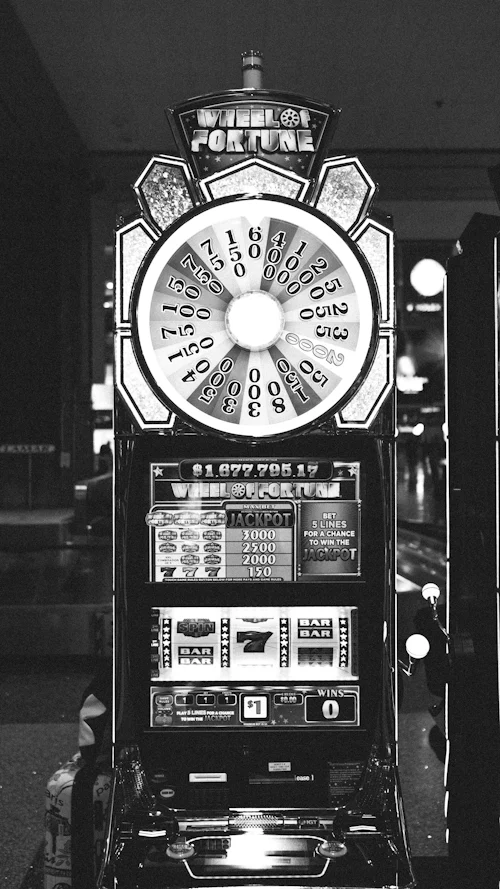
Another telling sign is the irrational justification of gambling behavior. Many individuals convince themselves that they can predict outcomes or that they are “due” for a win, leading to continued gambling despite mounting losses. This cognitive distortion prevents them from acknowledging their gambling addiction, prolonging their suffering. Friends and family might notice these changes and express concern, but individuals often dismiss these worries, leading to further isolation.
If left unaddressed, gambling addiction can escalate into more severe consequences. Some individuals may resort to borrowing money, engaging in illegal activities, or facing mental health crises. The inability to stop despite negative outcomes is a hallmark of addiction, underscoring the urgent need for awareness and understanding regarding the psychological and behavioral symptoms associated with gambling problems. Creating an environment that encourages open discussions about gambling behaviors can help individuals recognize the signs and seek the necessary support.
Resources for Help and Support
If you or someone you know is grappling with gambling addiction, seeking professional help is essential. Numerous resources are available, including helplines, support groups, and counseling services specifically designed for those affected by gambling problems. Many organizations provide confidential support, assisting individuals in navigating their addiction and beginning the recovery process. These resources often create a safe environment where individuals can share their experiences and learn from others facing similar challenges.
Therapeutic options such as cognitive-behavioral therapy (CBT) have proven effective in treating gambling addiction. CBT assists individuals in identifying and modifying the thought patterns that contribute to their gambling behavior, empowering them to make healthier choices. Support groups, like Gamblers Anonymous, offer communal spaces where individuals can receive encouragement from peers, sharing their stories and strategies for overcoming addiction. Building a supportive network is crucial for recovery and can significantly enhance an individual’s ability to move past their gambling issues.
Online resources and forums also provide valuable information for those seeking help. Many platforms offer guidance on recognizing the signs of addiction, developing coping strategies, and accessing support services. These tools can be especially beneficial for individuals uncomfortable seeking help in person. The journey to recovery is undoubtedly challenging, but with the right resources and support, individuals can regain control of their lives and break free from the hold of gambling addiction.
SEP

 Invoicing software