
The Allure of Gambling: An Overview
Casino gambling holds a significant fascination for many individuals, but the reasons behind this attraction extend beyond mere entertainment. From the bright lights and vibrant sounds that stimulate the senses to the thrill of potentially winning large sums of money, gambling creates an environment where excitement thrives. This sensory overload serves to captivate individuals, often leading them to spend more time in gambling establishments than they initially intended. Many players find that exploring an casino online can enhance their experience, as the very design of casinos is meant to envelop players in an immersive experience that keeps them engaged and entertained, making it easy to lose track of time and money.
Moreover, the psychological concept of variable reward schedules plays a crucial role in enhancing the allure of casino gambling. Players are often rewarded with intermittent wins, which can trigger a release of dopamine—a neurotransmitter associated with pleasure and reward—in the brain. This unpredictability keeps players coming back, chasing that next big win, and reinforcing the behavior of gambling. The excitement generated by this phenomenon can easily overshadow the inherent risks involved, as players often focus on the thrill of the chase rather than the potential financial consequences of their actions.
The social aspects of casino gambling cannot be overlooked either. Many individuals find enjoyment in the communal experience of gambling, whether at a poker table or a slot machine. The camaraderie among players, the chance to celebrate wins together, and even share stories of losses contribute to a shared bond. This social engagement can enhance the overall experience, making the act of gambling not just an individual venture but a shared adventure that appeals to many psychological needs, such as belonging and social validation. In this context, casinos transform into social hubs where relationships can be forged and strengthened through the shared highs and lows of gambling.
The Psychological Mechanisms at Play
The psychology of gambling is intricately linked to various cognitive biases that can cloud judgment and decision-making. One prominent phenomenon is the gambler’s fallacy, where individuals believe that past outcomes will influence future events. For instance, if a player has not won in several rounds, they may feel that a win is “due.” This distorted thinking can lead to increased betting and a higher risk of losses, as players chase their perceived chances of winning. This cognitive bias can be particularly dangerous, as it creates a false sense of control over an inherently random process.
Another key psychological mechanism is the concept of loss aversion, which suggests that the pain of losing is psychologically more impactful than the pleasure of winning. Gamblers often continue to play in an attempt to recoup losses, driven by an emotional need to avoid the discomfort associated with losing. This behavior can create a cycle where individuals risk even more in hopes of recovering what they lost, further entrenching them in gambling activities. This cycle can escalate quickly, as players may find themselves in a position where they are betting significantly more than they originally intended, all in the name of recovering losses.

Moreover, casinos are designed to exploit these psychological mechanisms. The layout, lighting, and sound systems are strategically implemented to create an atmosphere that encourages prolonged gambling. For example, the absence of clocks and the careful selection of music can lead to a distorted sense of time, allowing players to lose track of how long they have been gambling. These tactics ensure that players remain engaged, often leading to impulsive decisions that can result in significant financial repercussions. The design elements of a casino are not random; they are meticulously crafted to enhance the gambling experience and keep players inside for as long as possible.
The Role of Emotions in Gambling Behavior
Emotions play a pivotal role in influencing gambling behavior. Many individuals engage in gambling during periods of stress or emotional turmoil as a form of escapism. The thrill of betting can provide temporary relief from real-world problems, making it an attractive option for those looking to alleviate their discomfort. This can lead to a cycle where gambling becomes a coping mechanism, potentially leading to problematic behaviors when individuals rely on it excessively. The exhilaration of a win can create a temporary high that allows players to forget their troubles, but it can also lead to deeper issues when gambling is used as a primary source of emotional relief.
On the flip side, winning can elicit strong positive emotions, reinforcing the desire to continue gambling. The excitement of a big win can lead to feelings of euphoria, further motivating individuals to gamble in hopes of replicating that experience. However, these emotional highs are often fleeting, and the inevitable lows can drive individuals to chase their losses, entrenching them deeper into the gambling cycle. This emotional rollercoaster can make it difficult for players to recognize when they are crossing the line from casual gambling to problematic behavior, as the highs can overshadow the potential consequences.
Additionally, the social environment within casinos can amplify these emotional experiences. The shared highs of winning and the support from fellow players can create an exhilarating atmosphere that heightens emotional responses. This environment not only reinforces positive feelings associated with gambling but can also exacerbate negative emotions after losses, leading to a tumultuous rollercoaster of highs and lows that many gamblers experience. The social dynamics at play in a casino setting can create a sense of community that makes it even harder for individuals to recognize when their gambling habits are becoming unhealthy.
Understanding Risk and Reward in Gambling
The concept of risk versus reward is central to the psychology of gambling. Many individuals are drawn to the thrill of high-stakes games, often perceiving these as more exciting than low-risk options. This attraction can lead players to underestimate the actual odds of winning. In a casino setting, the allure of substantial rewards can overshadow the reality of financial risks involved, leading to misguided decision-making. The excitement generated by the prospect of a big win can cloud rational judgment, making it easier for players to ignore the statistical realities of the games they are playing.
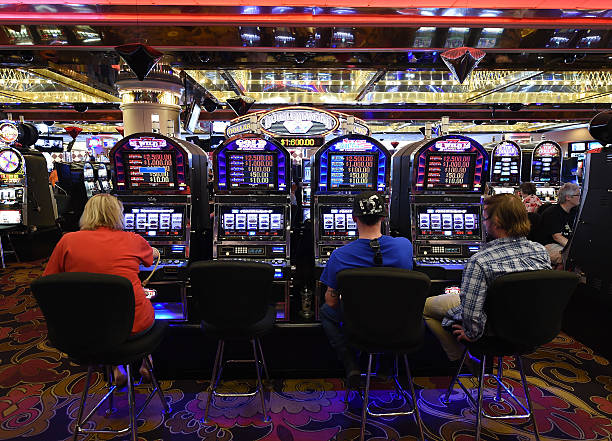
Moreover, the framing of potential outcomes plays a crucial role in how individuals perceive risk. Casinos often present games in ways that emphasize potential winnings while downplaying the likelihood of losses. This can create a cognitive bias where players focus on the possibility of winning rather than the statistical probabilities of losing, further encouraging risky behavior. The excitement of a potential jackpot can be overwhelming, leading players to ignore sound judgment and rational decision-making processes. This framing can also contribute to a sense of optimism that is not grounded in reality, perpetuating cycles of gambling behavior that may lead to financial difficulties.
Understanding these concepts is vital for anyone involved in gambling. Acknowledging the psychological mechanisms at play can lead to more informed decisions. For instance, recognizing the influence of emotions and cognitive biases can help individuals set limits on their gambling activities, promoting responsible behavior and minimizing the risk of addiction or financial hardship. Building awareness of one’s own emotional triggers and cognitive distortions can empower gamblers to engage in more self-reflective practices, leading to healthier gambling habits and outcomes.
Exploring Resources for Responsible Gambling
As the psychology behind casino gambling reveals, awareness of these psychological factors is crucial for promoting responsible gambling practices. Numerous resources are available, including counseling services and helplines, designed to support individuals struggling with gambling addiction. These resources offer not only information but also emotional support for those affected by gambling-related issues. Many organizations specialize in providing assistance and education on how to gamble responsibly, making it easier for individuals to find the help they need.
Many casinos offer programs aimed at encouraging responsible gambling, helping patrons to set limits on their play and access resources if they feel that their gambling habits may be causing harm. These initiatives are essential in addressing the psychological aspects of gambling and fostering a safer gambling environment for all players. Collaborative efforts involving casinos, support organizations, and educational institutions are vital in fostering awareness about responsible gambling behaviors. Such programs often include workshops, informative materials, and access to professional help, significantly impacting community wellbeing.
Additionally, many websites focus on educating the public about the risks associated with gambling, providing valuable information on recognizing problematic behaviors. By raising awareness of the psychology behind gambling, these platforms can empower individuals to make informed choices, prioritize their well-being, and seek help when necessary. Understanding these dynamics is essential for fostering a healthy relationship with gambling and recognizing when it’s time to step back. It is crucial for individuals to engage with these resources to ensure that their gambling activities remain enjoyable and do not lead to adverse consequences.
SEP

 Invoicing software